April 8, 2026
Exploring the History of a Nation through Adams Conducts Adams & Appalachian Spring



“Must the devil have all the good tunes?” by John Adams
A line loosely attributed to German priest & hymnwriter Martin Luther, about the wish for more exciting songs to be made about Christianity, became the inspiration for John Adams’ titular piece, but paired with Aaron Copland’s Appalachian Spring, it also reveals a larger relationship between religion, history and America’s musical evolution.
Gritty, Gospel-like, Funk- invested American-style, are all words used to describe Adam’s’ third piano concerto. With his inclusion of Aaron Copland’s iconic Appalachian Spring, there is a balance and dialogue between pieces, a true celebration of American music, but what do these pieces reveal about the history of a nation?
Beginning with Adams’ and his themes of grit, funk and playfulness, many might struggle to see the connection between gospel and funk, but both genres are a call to action, rising from a time of war, segregation and the need for hope in America. Scottish immigrants in the 17th century brought the tradition of “lining out” to churches in America, where one person leads a solo and the others follow. This tradition developed into a “call and response” format in Southern churches when enslaved Africans would hear these hymns and adapt their own spiritual songs.
The evolution of gospel music reflected the segregated communities and social conditions in America, creating the African-American gospel genre. First influenced by traditional African rhythms, and then having a tonal music shift in the 1920s creating shout songs and black jubilee songs, blending jazz and swing with spirituals thanks to composers like Thomas A. Dorsey who coined the term “gospel music” in 1921, wanting to differentiate his music from traditional religious hymns that even Martin Luther found less stimulating. “Must the devil have all the good tunes?”
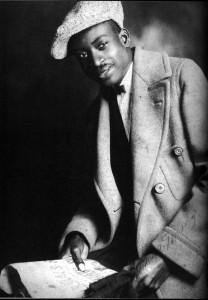
Thomas A. Dorsey
Now, we can take a look at the introduction of the Funk genre. Funk was a part of the counterculture movement in the 1960s, created as a protest against the Vietnam War and a rejection of the segregated, dominant white American culture. Popularized in the 1970s, Funk was a voice of the post-civil rights era, influenced by jazz, rhythm and blues, gospel and rock, creating notable pioneers like James Brown, Sly Stone and Earth, Wind & Fire. While integrating groovy riffs, bass, drums, organ and horn instruments with sounds of the future; electronic piano, synthesizers, and other new technologies to create the unique sound of funk, gospel’s influence remained present. Many Southern funk singers derived their sound from the vocal stylings and “shout” rhythms from the gospel music in their own churches, while exploring themes of social justice in a new genre.
There was also a focus on creating music to dance or “groove” to; letting oneself go to be free of the limitations placed upon them based on race, class and creed in a divided country. Adams finds this freedom of expression during his three sections, beginning with his gospel like riff in Part I marked, “Gritty Funky”, moving into a wilder piano piece with blurts of brass and in Part III, marked “Obsession/Swing”, providing a playfulness between instruments, a nod to the energetic and persistent jazz and funk genre in America.
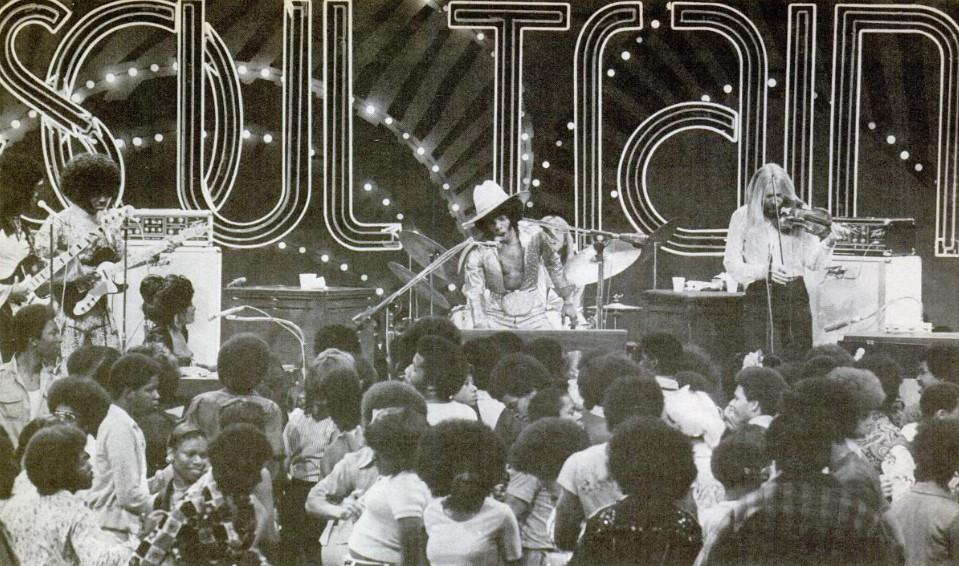
Sly & The Family Stone
Copland’s Inspiring American Story
Aaron Copland’s Appalachian Spring, originally named “Ballet for Martha”, was inspired by his friendship with choreographer Martha Graham, Copland stating, “I was thinking primarily about Martha and her unique choreographic style, which I knew well. Nobody else seems quite like Martha: she’s so proud, so very much herself. And she’s unquestionably very American: there’s something prim and restrained, simple yet strong about her which one tends to think of as American”. This idea of an American, paired with the end of WWII, inspired Copland to write a story that would appeal to everyday people looking forward to a prosperous future.
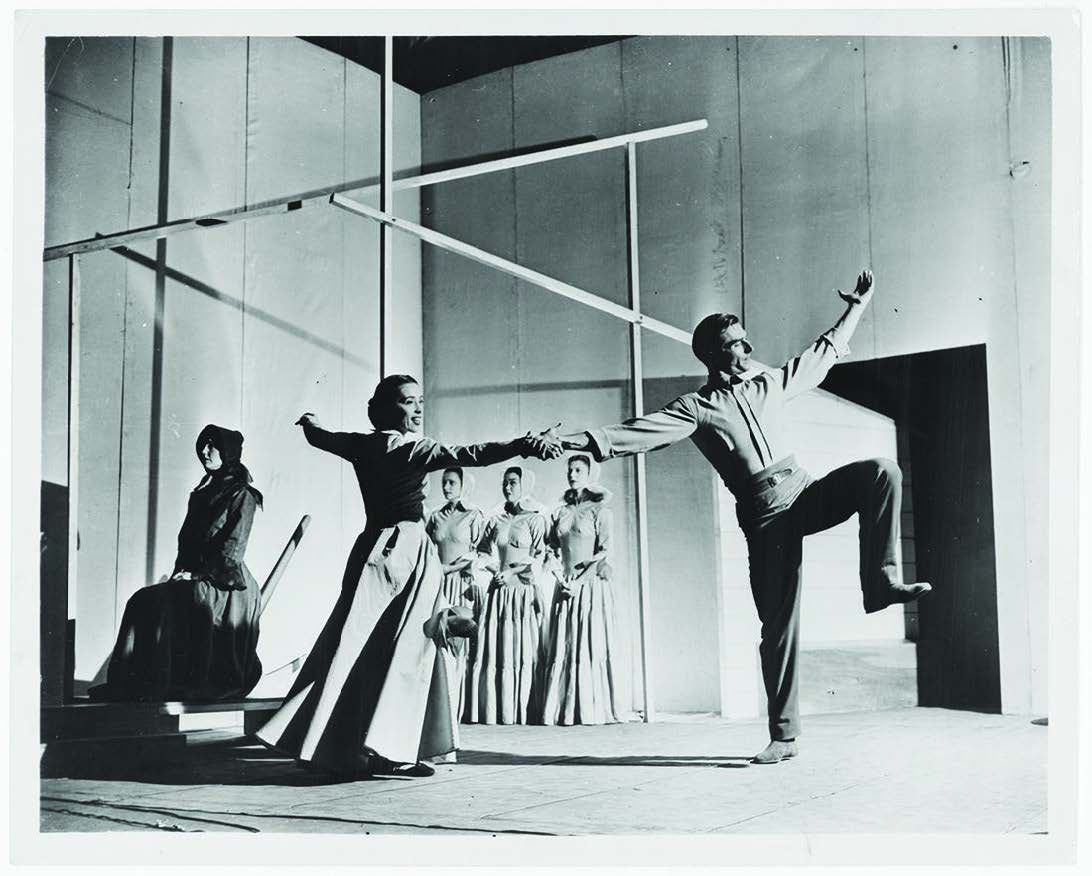
Copland created a tale of new beginnings, a story of perseverance set in the 19th century following a young frontier couple on their wedding day, excited to build a home on their new land. Graham had given him an outline of the ballet she wanted and the crucial themes that made this story stand the test of time; the pioneer American spirit, youth, spring, optimism and hope. In 1945, Copland arranged a suite from the ballet for a full orchestra with eight uninterrupted sections. The most notable section being section number seven, where Copland weaves in a variation of the Shaker hymn, “Simple Gifts”. The Shakers or “Shaking Quakers",were settlers who emigrated to America from England in the 18th century and believed in using song and dance to worship God; giving the country folk songs that, much like gospel, have been interpreted and recreated across time and a wide range of genres, allowing Copland to create his iconic and distinctly Americana suite.
Appalachian Spring Ballet
The title came from a poem by Hart Crane of the same name and over the years, audience members have expressed to Copland that they can just see the Appalachian mountains and feel the spring air when they hear the piece. However, to Copland, Appalachian Spring is a reflection of national identity and the hope that prevails during times of adversity. As John Martin wrote in his New York Times review, “ … the Spring that is being celebrated is not just any Spring but the Spring of America; and the celebrants are not just half a dozen individuals but ourselves in different phases”.